
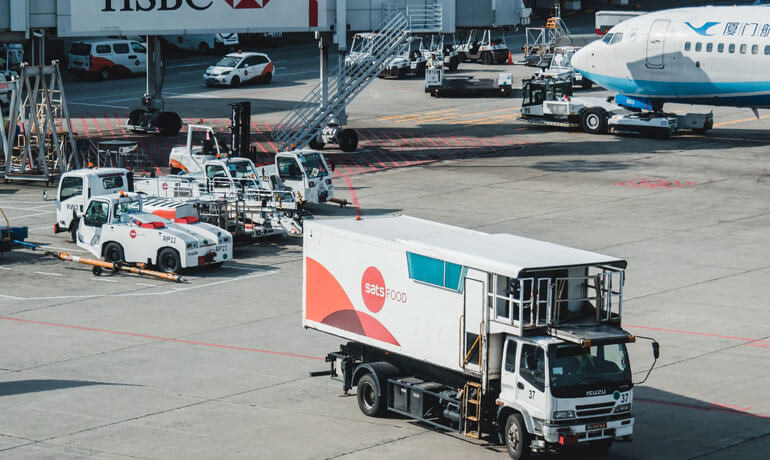
Jakarta, February 23, 2026 — The global cargo transportation sector is entering 2026 with strong dynamics across various modes—land, sea, and air—as the need for transcontinental logistics networks increases. Recent reports and updates from various international logistics companies indicate that intercontinental cargo movement is increasingly strategic in maintaining the stability of global supply chains.
Rising Demand for Air Cargo in Africa and Asia Pacific
Global air cargo demand experienced significant growth in early 2026, particularly in Africa and the Asia Pacific. International cargo tonne-kilometers (CTK) growth reached 6.9%, with a load factor reaching 49.1%, reflecting the strengthening of transcontinental cargo mobility in the air sector.
A 5.9% increase in jet fuel and an 8.2% month-on-month increase in yields further strengthened the air cargo expansion trend, despite a 2.9% annual yield decline.
Lorem ipsum dolor sit amet, consectetur adipisicing elit, sed do eiusmod tempor incididunt ut labore et dolore magna aliqua. Ut enim ad minim veniam, quis nostrud exercitation ullamco laboris nisi ut aliquip ex ea commodo consequat. Duis aute irure dolor in reprehenderit in voluptate velit esse cillum dolore eu fugiat nulla pariatur. Excepteur sint occaecat cupidatat non proident, sunt in culpa qui officia.
Maritime Transportation Faces Geopolitical Challenges, But Remains Stable
Intercontinental maritime cargo transportation remains crucial, although in 2026 it will still face various challenges, such as:
- Global port congestion
- Geopolitical instability, particularly in the Red Sea region
- Rerouting of ships via the Cape of Good Hope due to security concerns
These conditions increase travel times and suppress effective capacity, despite nominal increases in global maritime fleet capacity. A Wiima Logistics report confirms that effective capacity is being squeezed by infrastructure bottlenecks and permanent ship rerouting.
Land Cargo Experiences Capacity Gains in North America
In the domestic US market, several carriers have exited the market, resulting in tighter capacity and higher rates. Tender acceptance rates have reportedly dropped from 95% to around 80%, highlighting supply chain pressures in cross-border land freight transportation in North America.
Regulatory Disruptions and Trade Policies Impact Global Supply Chains
Starting February 2026, various new regulations will affect the smooth distribution of cargo between continents, including:
- 25% tariff on products from countries trading with Iran
- Canada’s forced labor reporting rules
Additionally, the GlobalTranz report notes policy uncertainty surrounding the 2026 US elections and the potential tightening of CDL regulations, which could reduce the number of drivers on intercontinental routes.
“The global cargo transportation industry entered 2026 with steady growth across various shipping modes, while demand for air cargo increased significantly in Africa and the Asia Pacific.”
dmlogistik
Technology Trends Accelerate Efficiency of Intercontinental Cargo Shipping
Technological transformation is becoming a key driver of transcontinental cargo efficiency, with developments including:
- Automasi gudang dengan AGV dan robotik
- IoT & big data untuk optimasi rute dan pelacakan real-time
- AI dalam routing, quoting hingga exception management
Companies that adopt this technology are predicted to be able to maintain supply chain resilience and increase shipping efficiency between major regions of the world.